Penthouse - Concrete Relative Humidity
aug 2015
oakland, CA
Overview

Most coating problems start long before anyone sees a bubble. When moisture is trapped within the concrete, it can exert pressure on the deck coating, causing blisters and ballooning.
At The Sierra, the concrete structure was strong and well-made. Our field and lab work included Schmidt rebound hammer surveys, impact echo, petrography, and in-slab relative humidity testing, which together showed that the elevated slabs were trapping moisture beneath the coating system, explaining the recurring blisters and poor coating performance.
SCOPE OF WORK
-
• Walkthroughs to document coating blisters, cracks, efflorescence, and any exposed steel.
• Non destructive testing using the Schmidt Rebound Hammer for surface hardness, Impact Echo for internal response, half cell corrosion, and cover measurements.
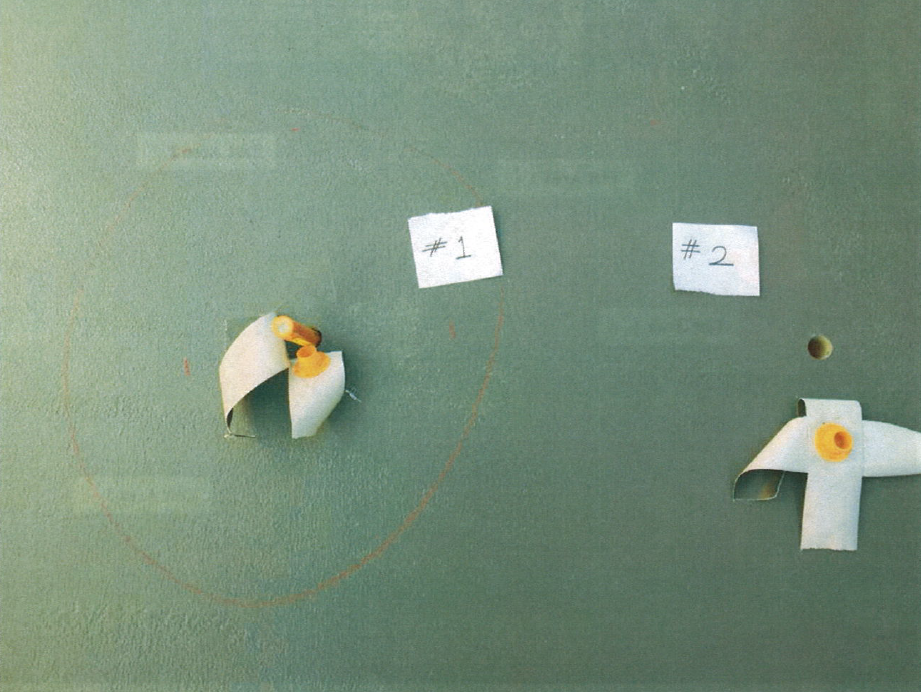
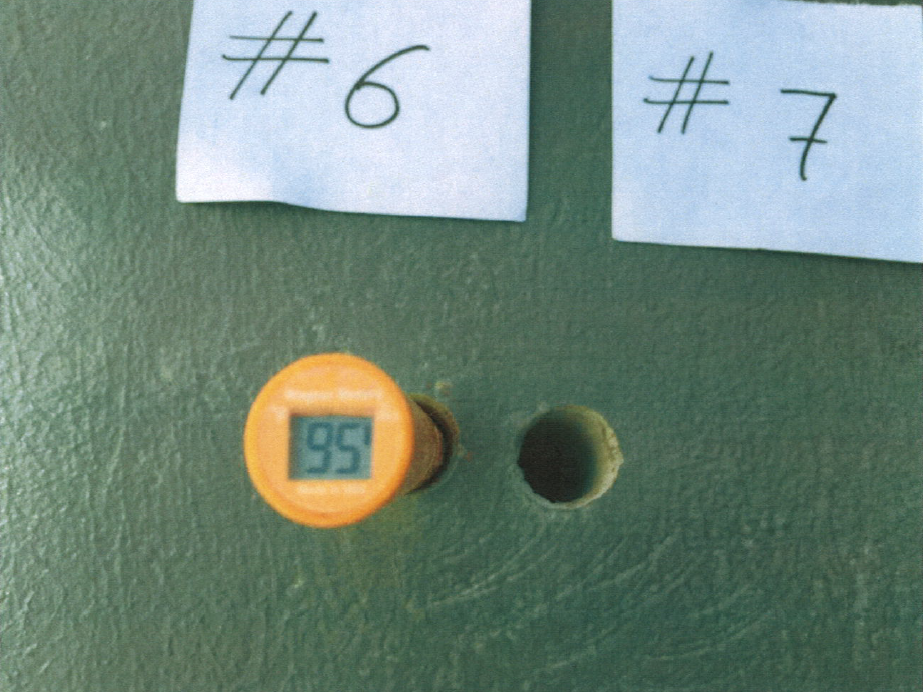
• Moisture checks in the slabs and follow up relative humidity tests at set depths in the penthouse slab.
-
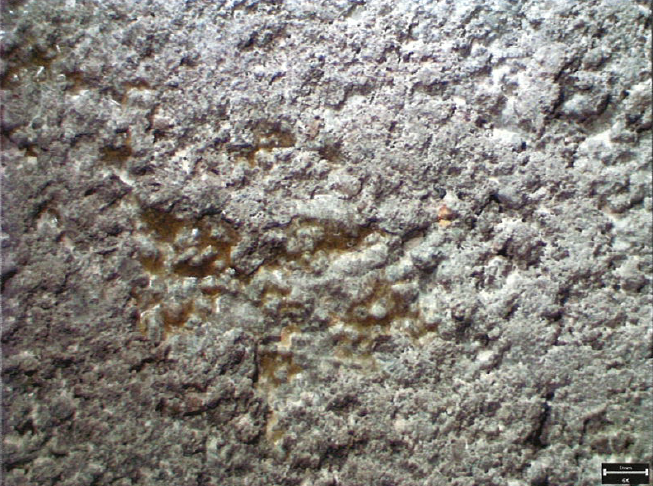
• Microscopic review of a core from the basement wall to confirm mix quality and look for harmful reactions.
• Identification of white deposits as calcite and measurement of concrete strength from cores.
• Chloride testing on hardened concrete samples.
-
• Small mock ups of replacement coatings on the third level, then field tests for slip resistance on wet surfaces and pull off bond strength.
KEY FINDINGS
1. Field Results
Elevated slabs and coatings:
The third-floor and penthouse coatings showed ballooning and blistering. Moisture was present beneath bubbles, and we noted areas where the concrete surface had not been ground smooth before the old coating was installed. Schmidt Rebound Hammer showed good compressive strength.
Penthouse slab moisture:
Relative humidity inside the nine-inch thick slab was very high at both tested depths across all locations. This included areas with flat coating and areas with visible blisters.
Parking garage:
Schmidt Rebound Hammer readings were generally higher on columns and walls than on slabs that had visible cracking or distress. Efflorescence was noted on some basement and pool walls. Corrosion mapping indicated a low overall risk, with one localized hotspot. A visual observation at that location did not show active rebar corrosion.
Swimming pool:
Swimming pool and awning. Schmidt Rebound Hammer readings on pool walls were generally consistent across all sides. Pool observations pointed to cracking and a localized leak.
2. Laboratory and Petrography
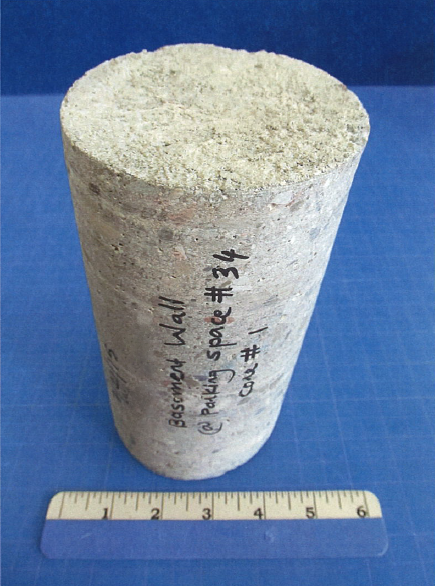
The basement wall concrete was sound, well-proportioned, and well-consolidated. The cement paste was hard with very low capillary porosity, and no harmful reactions were observed.
Core compressive strength testing showed high strength for the basement concrete walls.
Efflorescence samples were identified as calcite. Chloride contents were measured at several locations.
3. Why the coatings failed on elevated slabs
Water from rain and planter areas can enter and travel under an unbonded coating system.
The concrete substrate was not fully prepared in places, leaving hard bumps that created voids under the coating.
Missing flashing at edges and transitions was identified as a contributing factor.
4. Mock up coating performance
All three candidate systems provided adequate wet surface slip resistance.
Pull-off tests on coatings showed acceptable bond to the concrete, with most failures occurring within the coating materials rather than at the concrete interface.
RECOMMENDATIONS & SOLUTIONS
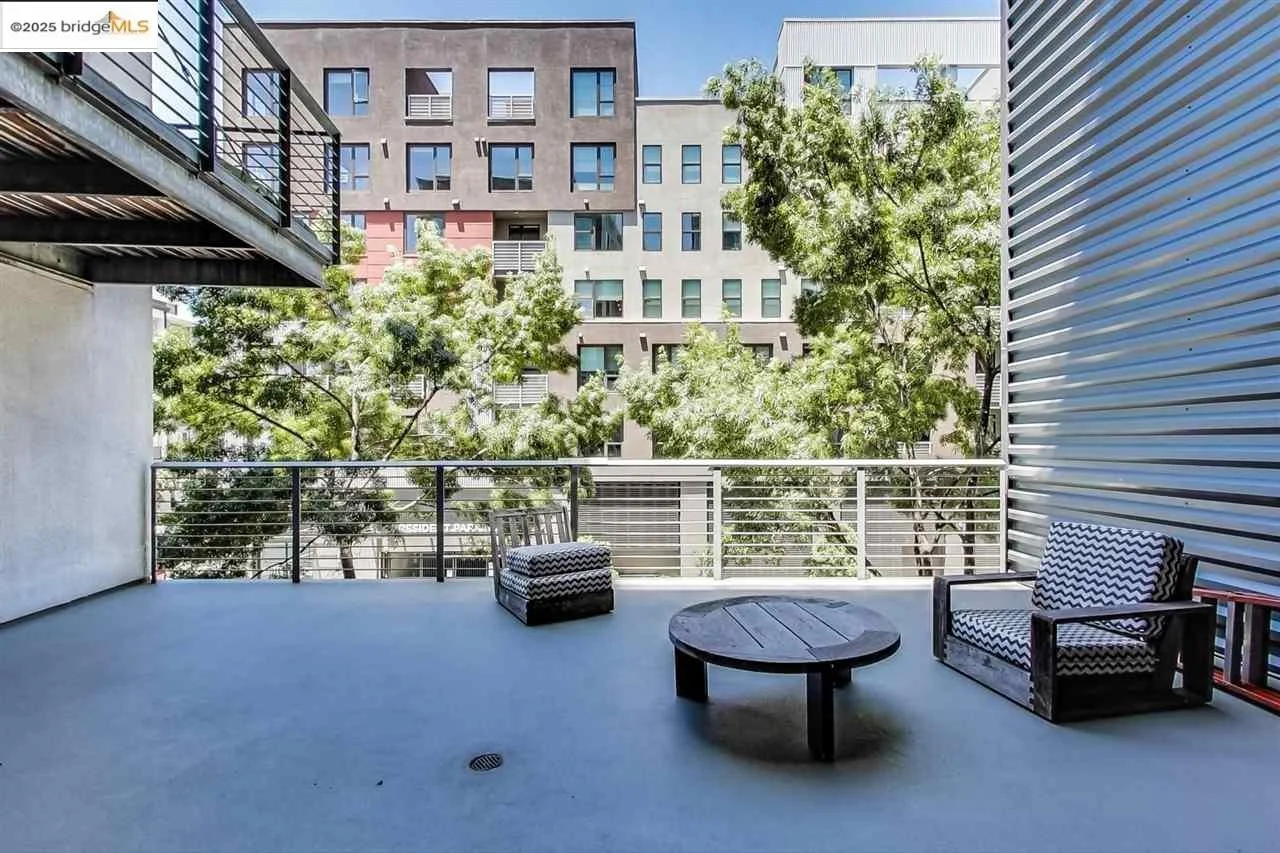
Third floor and penthouse slabs. Select a breathable coating system that allows moisture vapor to escape. Grind the surface smooth where needed and add details, such as flashing, to prevent water from getting under the coating.
Parking garage and basement walls. Inject cracks to reduce water travel. Address any delamination identified by testing.
Swimming pool. Use localized urethane injection at identified leaks and related cracks.
THE OUTCOME

Work was completed in accordance with the plan: breathable coatings were installed on the third floor and penthouse, with substrate grinding and added flashing. The cracks in the garage and basement were injected, and localized pool leaks were sealed with urethane injection. Post-repair performance matched the mock-up results, with coatings exhibiting adequate wet-surface slip resistance and bond strength, and moisture-related blistering resolved.