BART Tunnel: Cracks, Leakage, and Hidden Risk
Oct 2002
BART Tunnel, CA
Overview
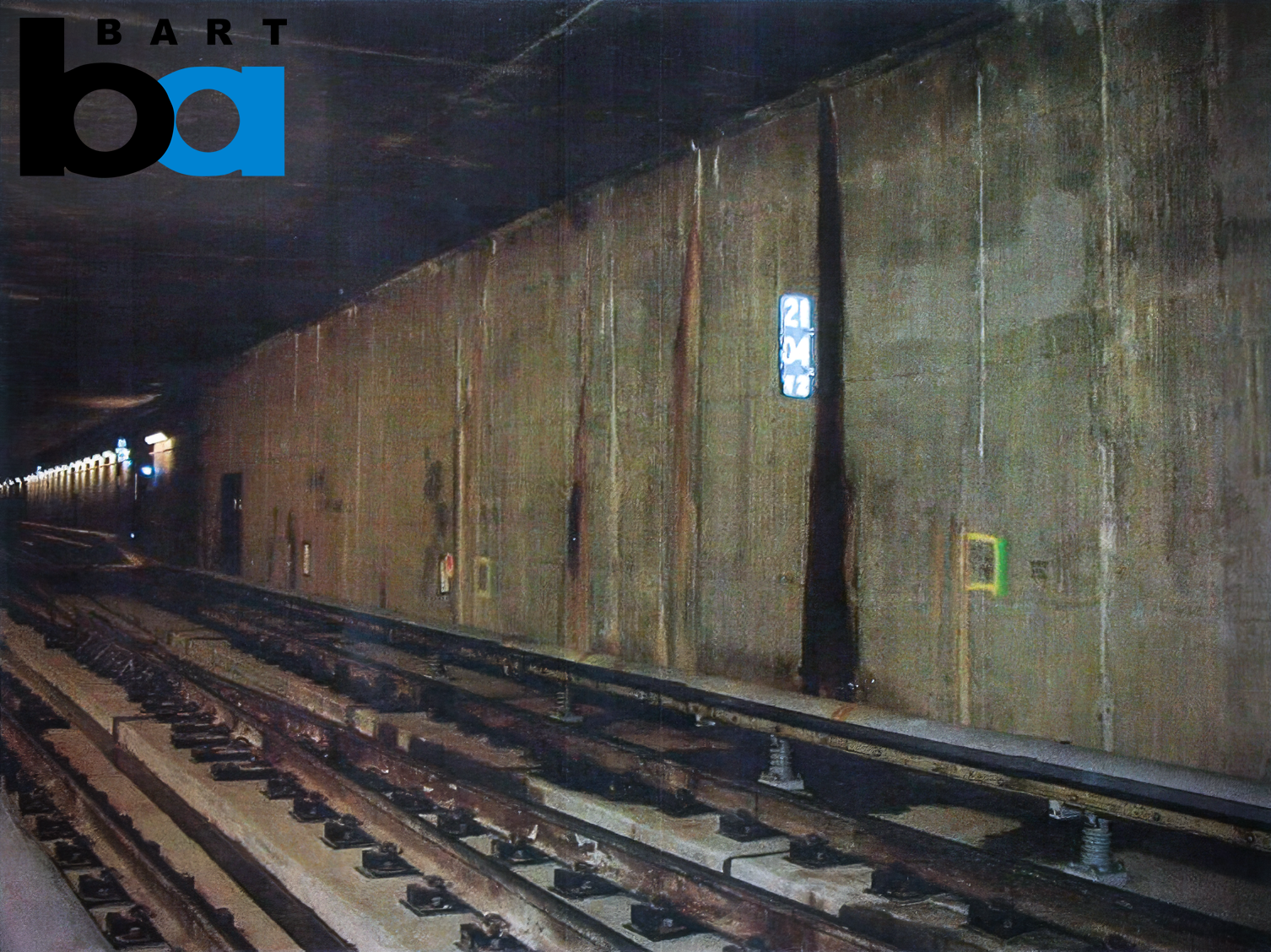
Water intrusion, vertical cracking, efflorescence, and brown residue raised concerns about the corrosion status of embedded reinforcing steel in a reinforced concrete tunnel wall. Bay Area Rapid Transit (BART) retained CSI to determine whether the visible distress reflected active corrosion or whether the condition was more localized within the wall section.
To investigate the condition, CSI performed corrosion-related testing, exploratory core openings, and chloride testing. The assessment focused on the condition of reinforcing steel near the interior face of the wall while also evaluating whether increasing corrosion risk could exist closer to the exterior face.
SCOPE OF WORK
-
Conducted corrosion testing using ASTM C876 as a guideline.
Evaluated the corrosion status of reinforcing steel near the interior face of the wall.
-
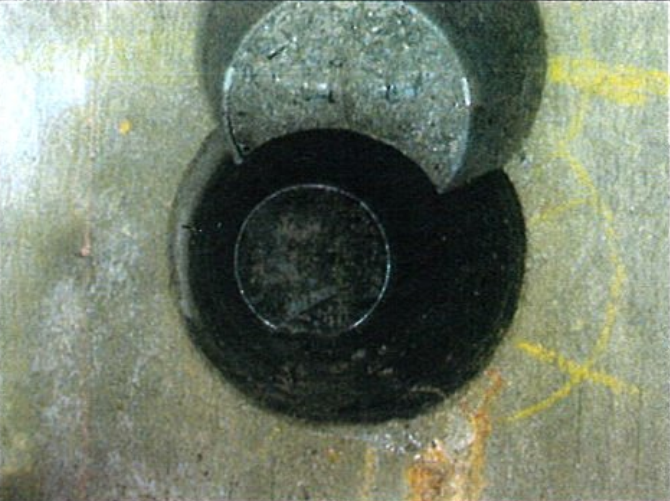
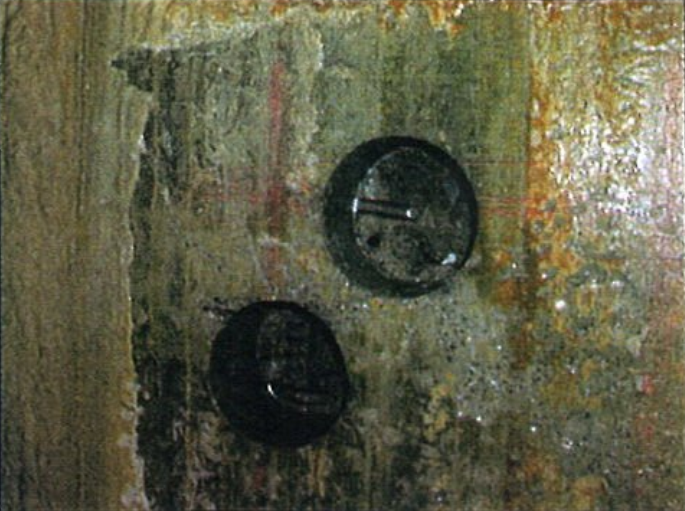
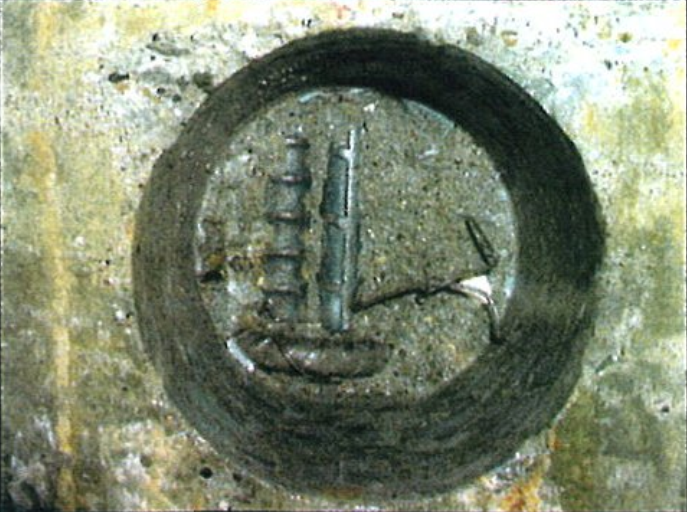
Drilled and removed exploratory cores to observe reinforcing steel near the interior face of the wall.
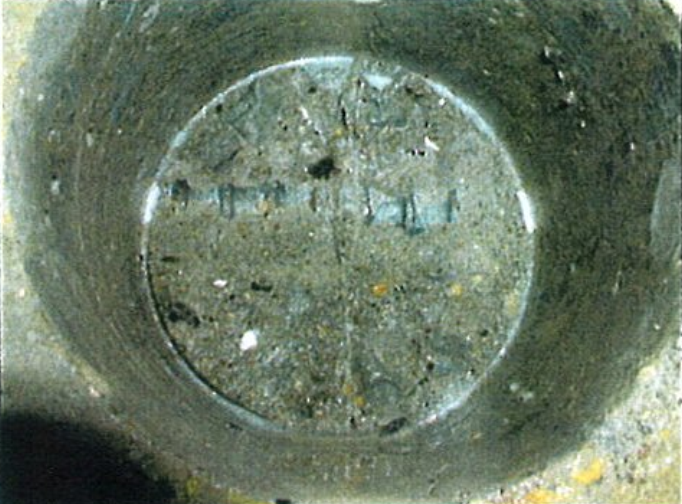
Extended one core opening at a cracked and discolored area to observe concrete closer to the exterior face.
-
Removed concrete powder samples for chloride ion testing in accordance with ASTM C1152.
-
Reviewed field observations, test results, and core observations to determine corrosion status and identify the need for additional testing and mitigation.
KEY FINDINGS
1. Visible Distress
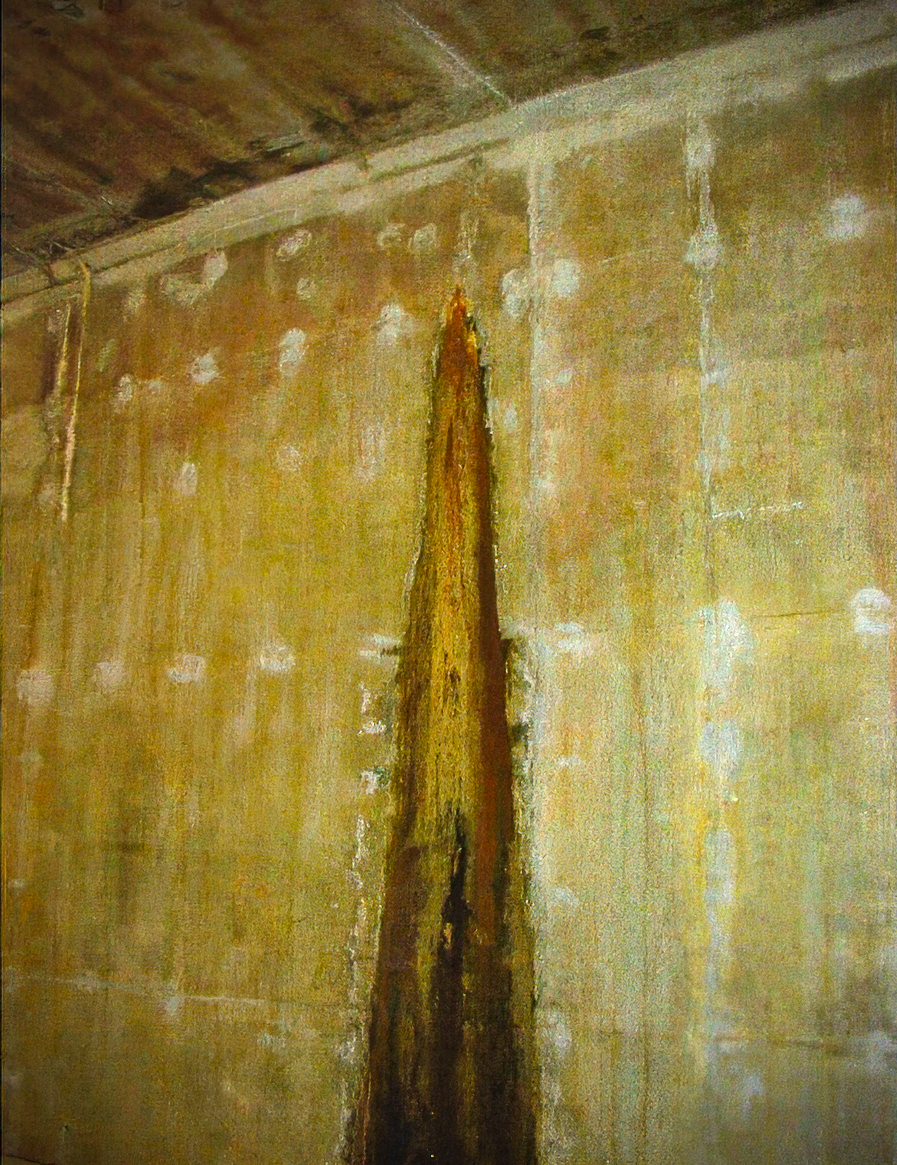
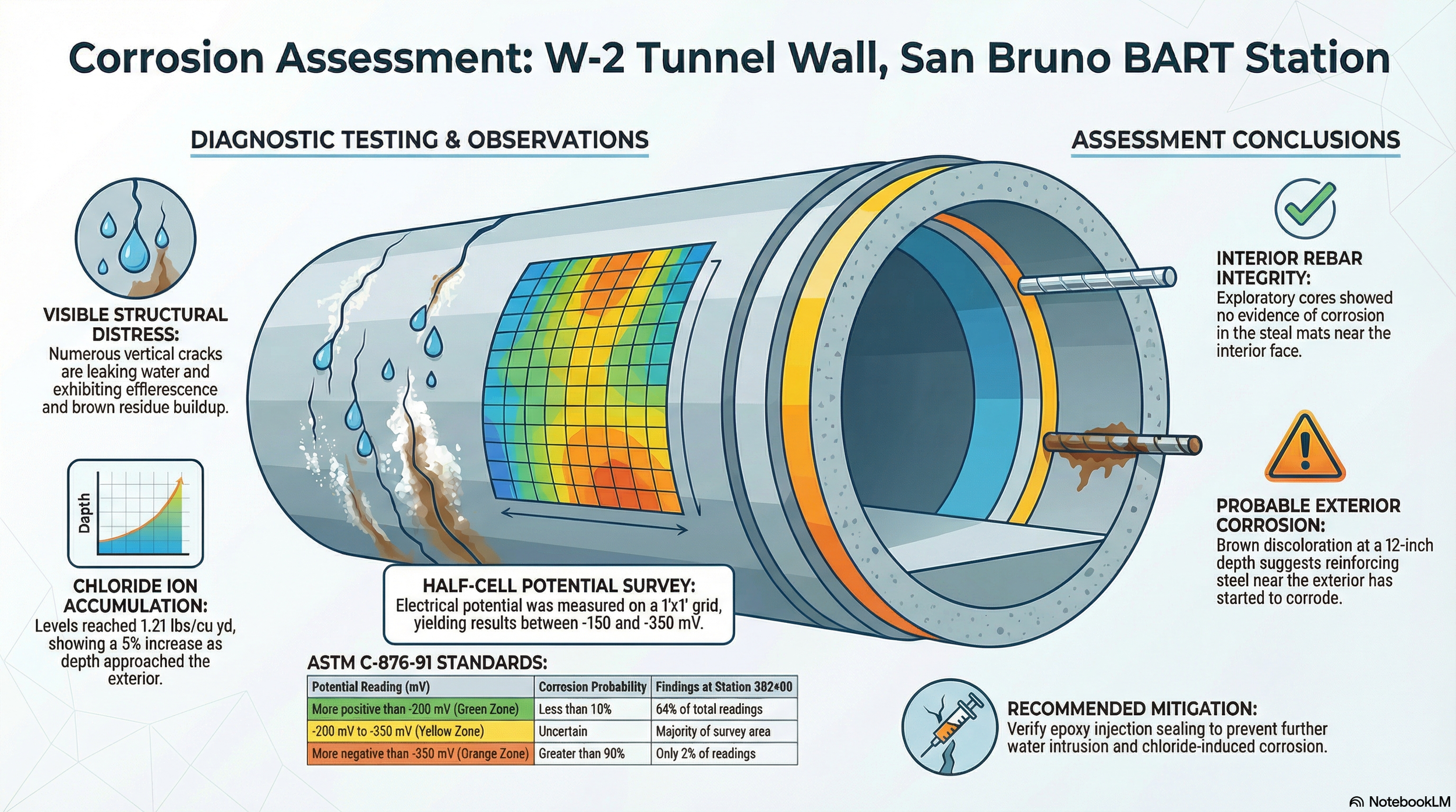
The wall exhibited numerous vertical cracks, efflorescence, and brown residue buildup.
Some cracks were still leaking water at the time of the assessment.
2. Half-Cell Survey Results
The half-cell survey indicated that corrosion activity near the interior face of the wall was uncertain under ASTM criteria.
Areas with visible residue buildup generally showed more negative half-cell readings than surrounding areas.
3. Core Observations
Exploratory openings showed no corrosion staining on the exposed reinforcing steel or on the removed cores near the interior face.
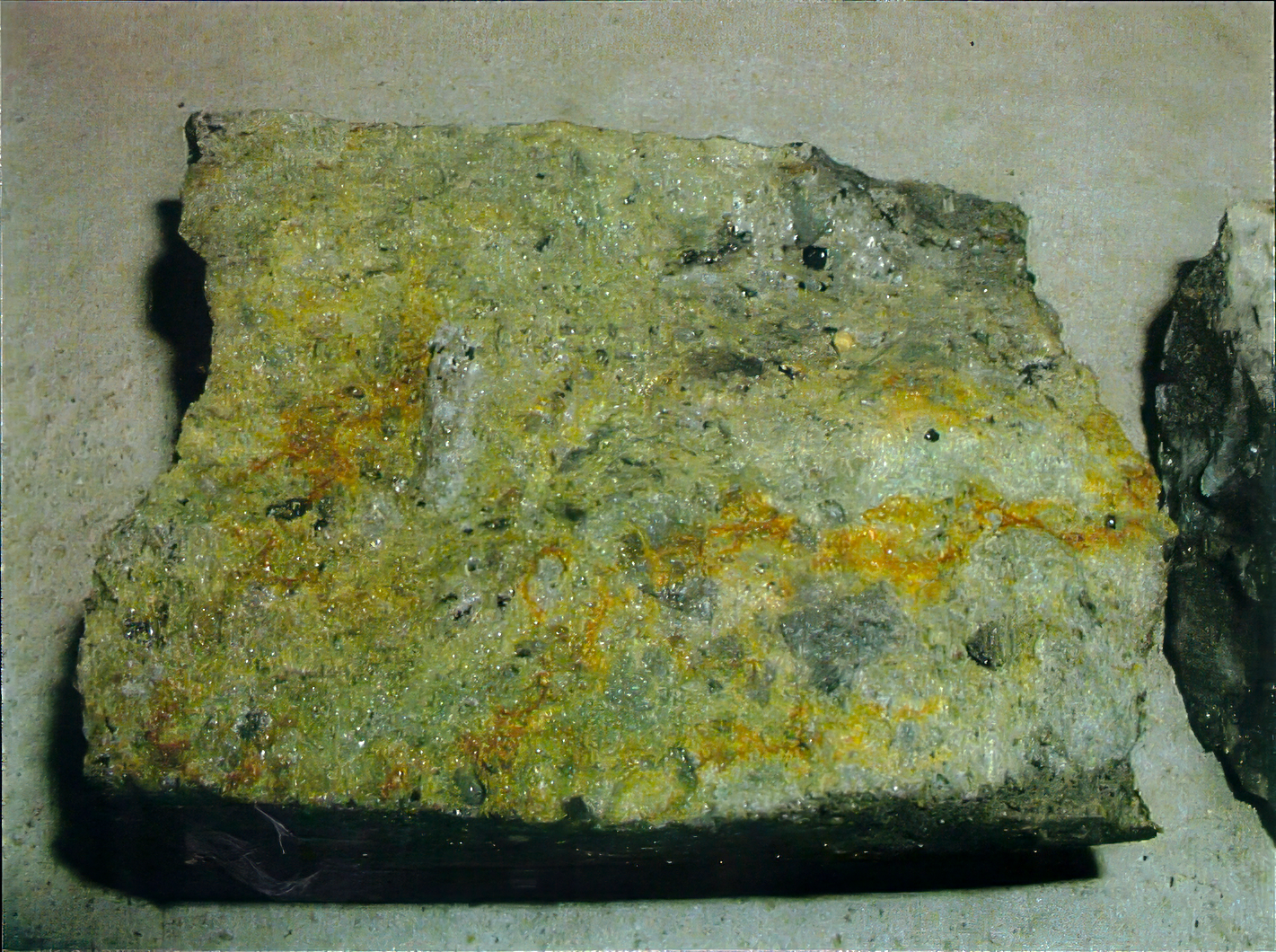
At the cracked and discolored location, a deeper core showed brown discoloration in the concrete closer to the exterior face.
4. Chloride Testing
Chloride testing indicated that chloride content increased with depth.
Based on the combined test results and observations, the report concluded that the potential for chloride-induced corrosion may be greater closer to the exterior face of the wall.
RECOMMENDATIONS & SOLUTIONS
1. Confirm Source of Discoloration
Analyze the discolored core to determine whether the brown discoloration is related to corrosion products.
2. Identify Embedded Corrosion Sources
If the discoloration is related to steel corrosion, assess possible embedded sources such as tie wires, anchor bolts, drain pipes, or leftover sheet piles.
3. Evaluate Exterior-Face Conditions
Observe steel conditions closer to the exterior face of the wall, where corrosion potential may be greater.
4. Define Chloride Exposure
Obtain additional chloride samples at other wall locations to establish the broader range of chloride ion content within the wall.
5. Verify Crack Sealing
Confirm that epoxy injection sealed the cracks through the wall section to help limit continued water intrusion and future corrosion of reinforcing steel.
THE OUTCOME
The investigation found no evidence of corrosion activity in the reinforcing steel exposed near the interior face. At the same time, deeper discoloration and increasing chloride content with depth indicated that additional evaluation closer to the exterior face was warranted, along with verification of crack sealing measures to help limit continued water intrusion and future corrosion risk.