

Sewage Treatment Plant - Vacuator Assessment and Repair
JUNE 2015
Hayward, CA
Overview

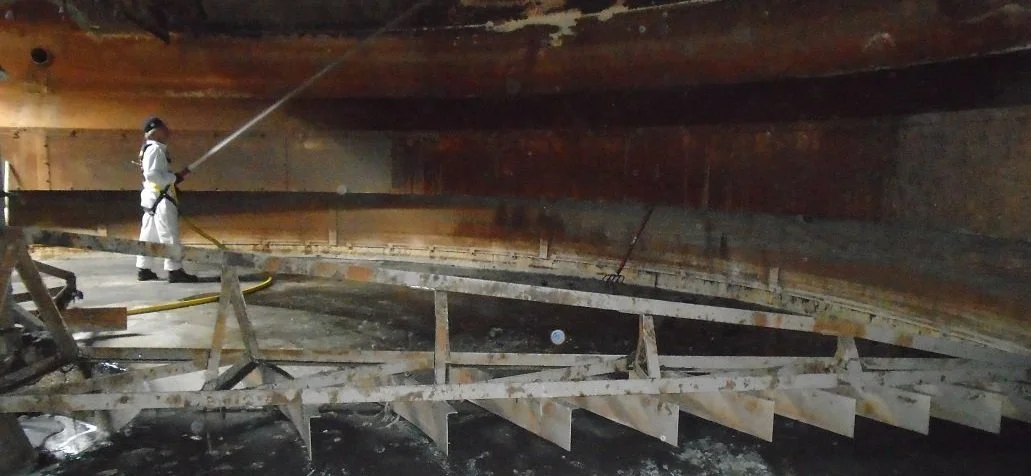
The City of Hayward contracted Concrete Science, Inc. to perform a condition assessment of a 50-year-old Vacuator, a key component within the sewage treatment process. The Vacuator plays a critical role in separating solids from wastewater by using mechanical skimming and settling to remove floatables and sediment. Positioned within the primary treatment phase, the Vacuator helps reduce the load on downstream biological and chemical treatment stages. Given its constant exposure to corrosive substances, including hydrogen sulfide generated by decaying organic matter, it is essential to monitor its structural integrity.
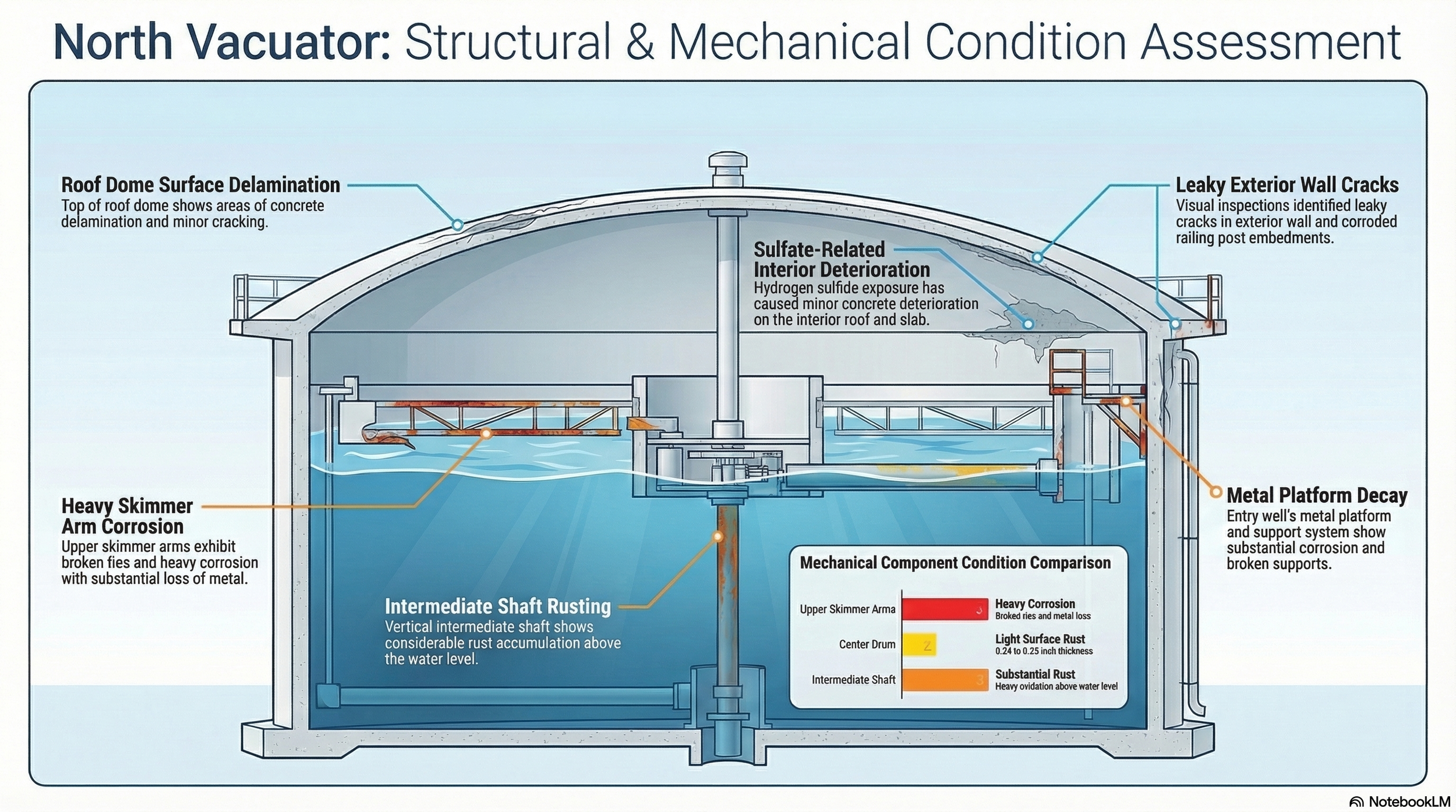
Hydrogen sulfide is particularly aggressive to concrete structures. When it dissolves in moisture, it forms sulfuric acid, which attacks the cement paste matrix and leads to loss of surface material, cracking, and the development of soft, friable layers. Over time, this chemical attack can compromise both the protective coating and the underlying concrete, exposing reinforcement and accelerating corrosion. The evaluation focused on identifying deterioration caused by environmental exposure and hydrogen sulfide-related corrosion to ensure continued operational efficiency and public safety.
SCOPE OF WORK
-
Visual inspection of the Vacuator exterior and interior surfaces.
Documentation of cracking, delamination, and corrosion.
-
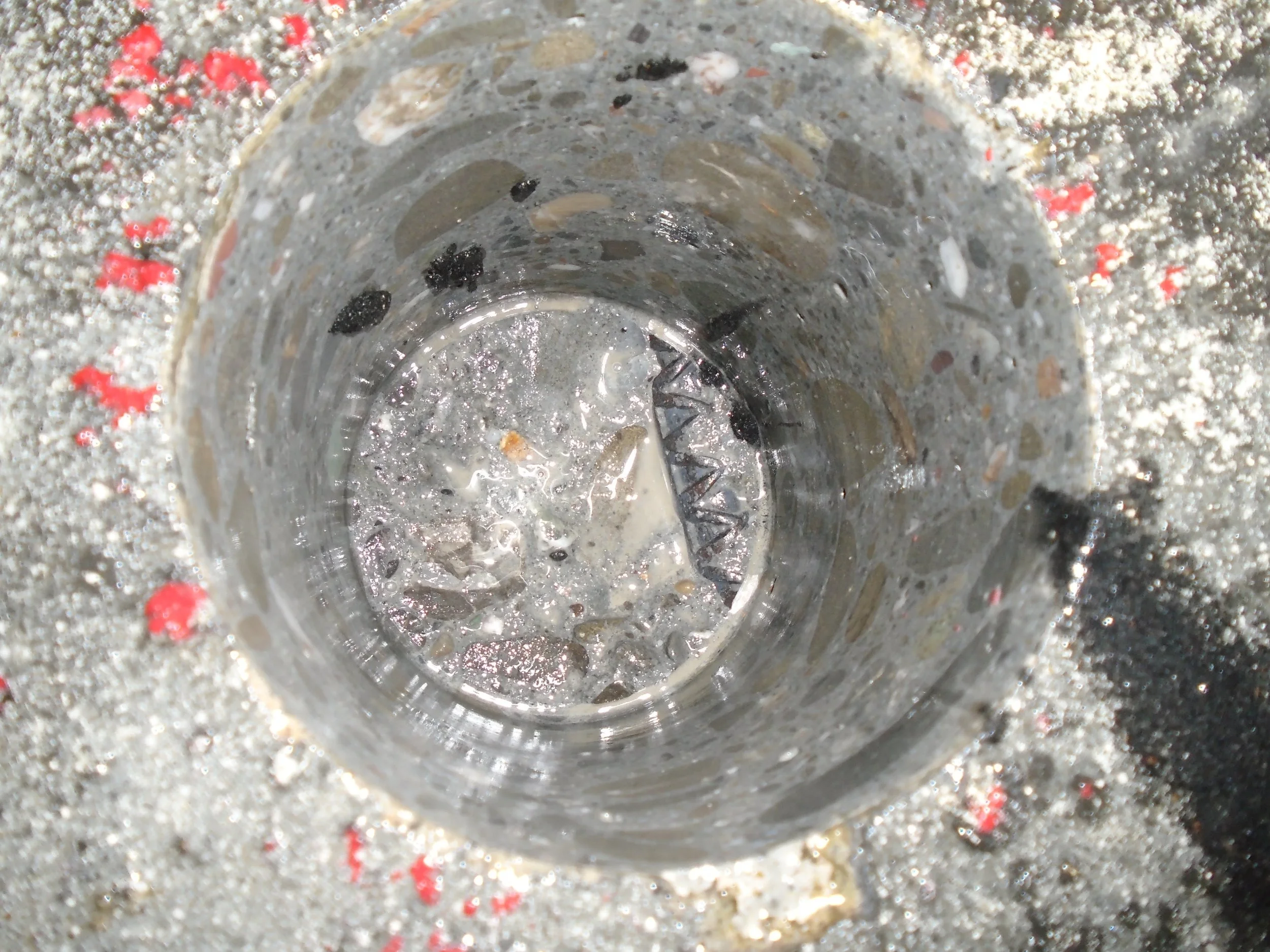
Core sampling and testing for compressive strength.
Chloride content analysis.
Concrete petrography.
-
Evaluation of the condition of reinforcing steel and structural metals.
Nondestructive testing including impact echo and rebound hammer methods.
KEY FINDINGS

1. Coating Failure
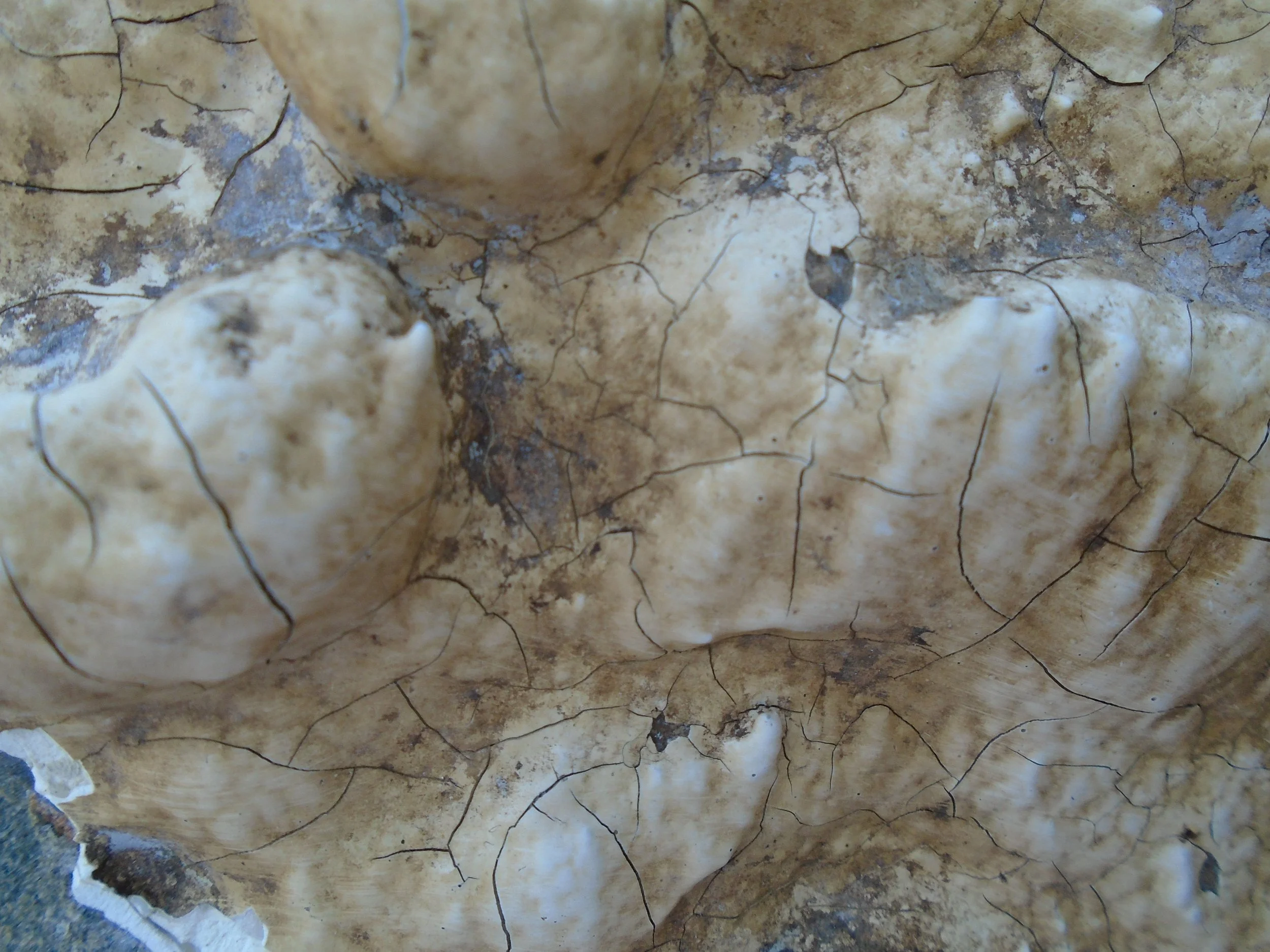
The visual inspection showed that the exterior of the structure was generally in good condition, with only minor cracking noted on the roof dome. In contrast, the interior coating exhibited several cracks, areas of delamination, and spalls, indicating compromised protection in aggressive environments

2. Testing for Metal Thickness
Inspection revealed that the upper skimmer arms had broken ties and showed significant corrosion, particularly at the metal angles. The intermediate shaft also exhibited notable corrosion at several locations. These conditions are consistent with hydrogen sulfide exposure, which contributes to concrete deterioration and the corrosion of exposed metal components like skimmers
3. Condition of Reinforcement
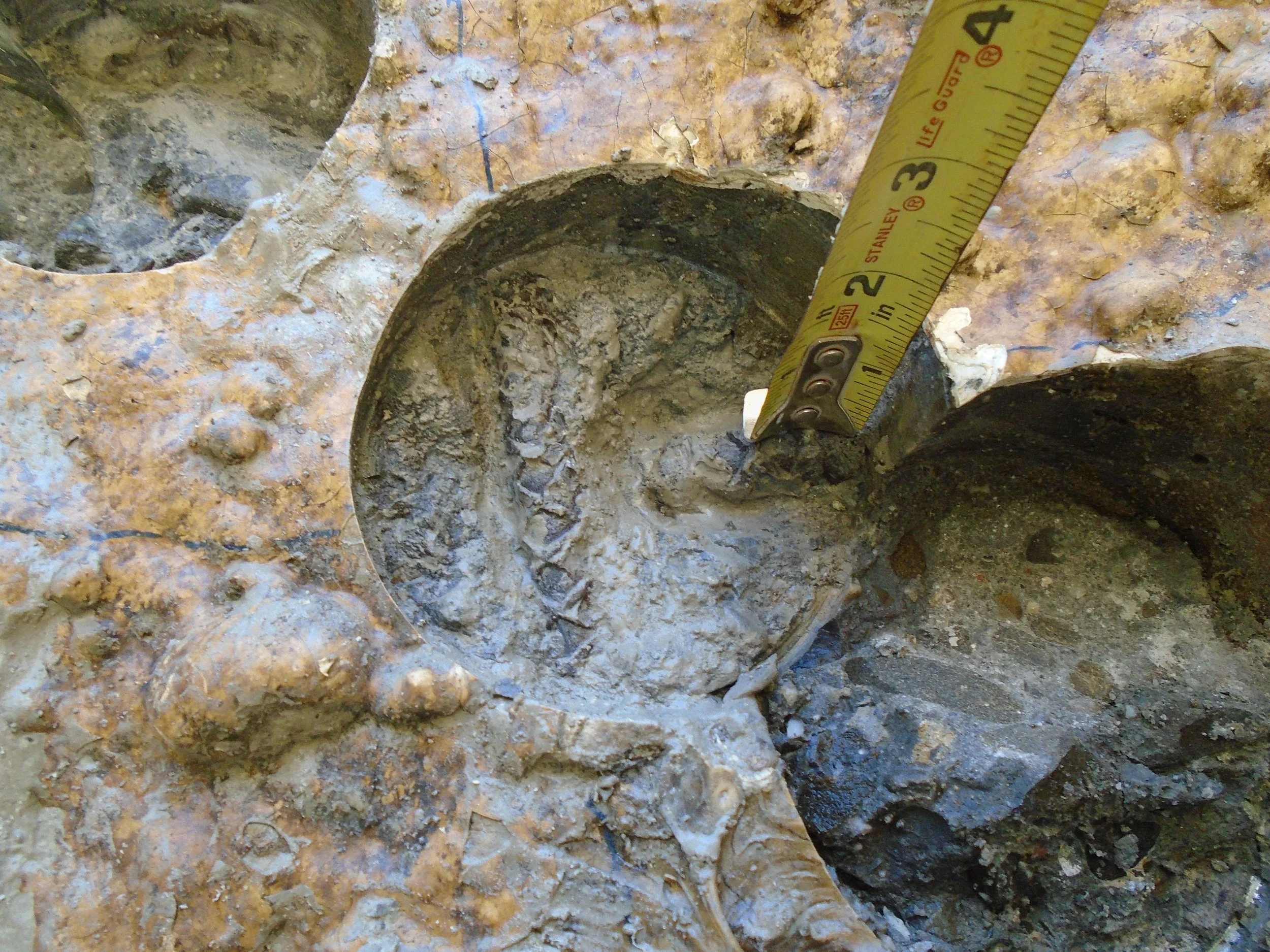
The structural evaluation included extensive testing: coring, inspection of reinforcing steel, nondestructive impact echo tests, rebound hammer testing, compressive strength analysis, chloride testing, and concrete petrography. This comprehensive approach provided insight into both surface and subsurface damage to the concrete and embedded reinforcement.
Testing indicated corrosion of exposed reinforcement and degradation due to chloride presence.
RECOMMENDATIONS & SOLUTIONS
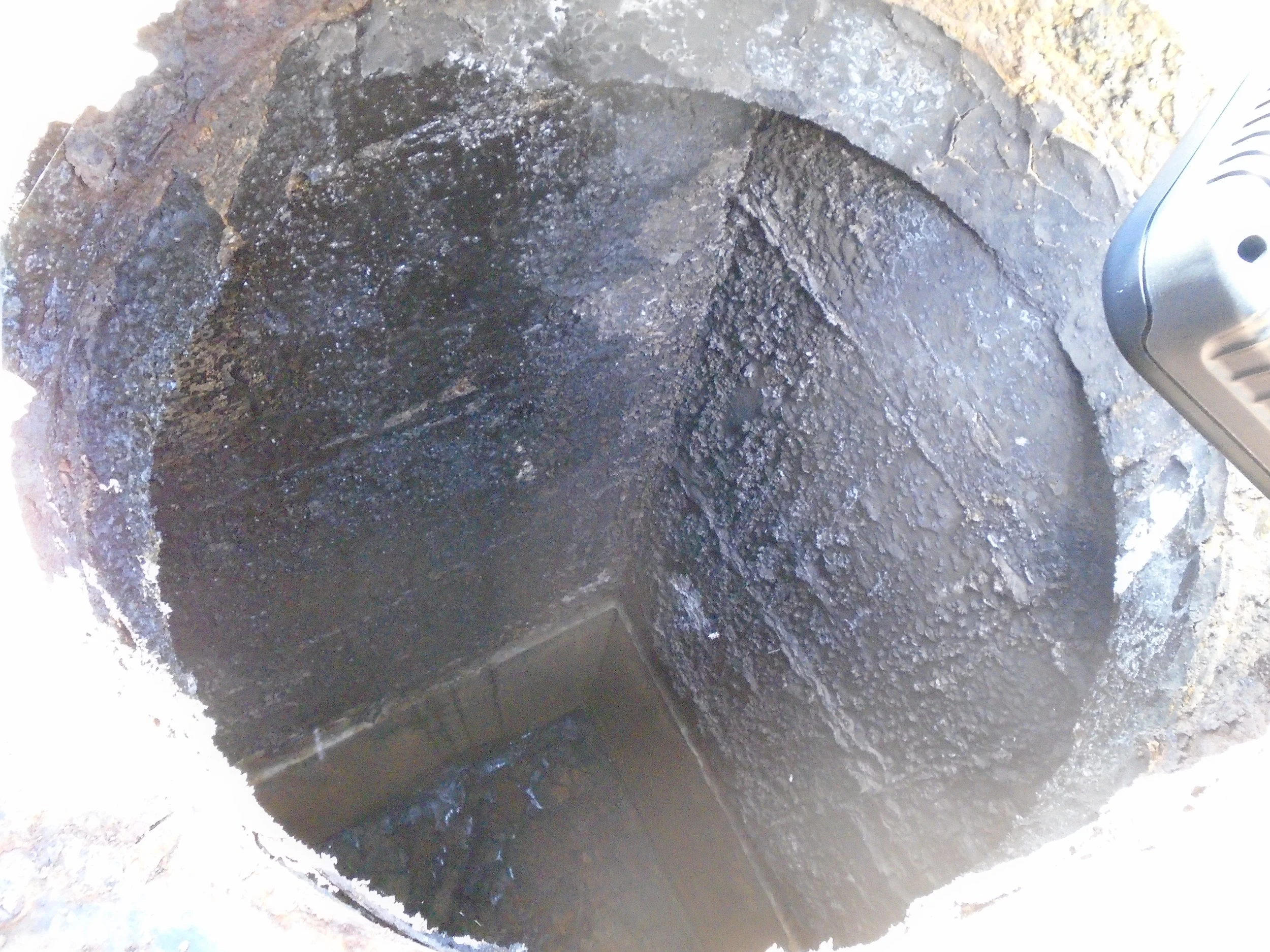
Epoxy injection of cracks to restore structural integrity.
Removal and repair of spalled concrete sections.
Application of a low permeability overlay to protect against future deterioration.
Installation of a 100% solids coating to resist hydrogen sulfide attack.
THE OUTCOME
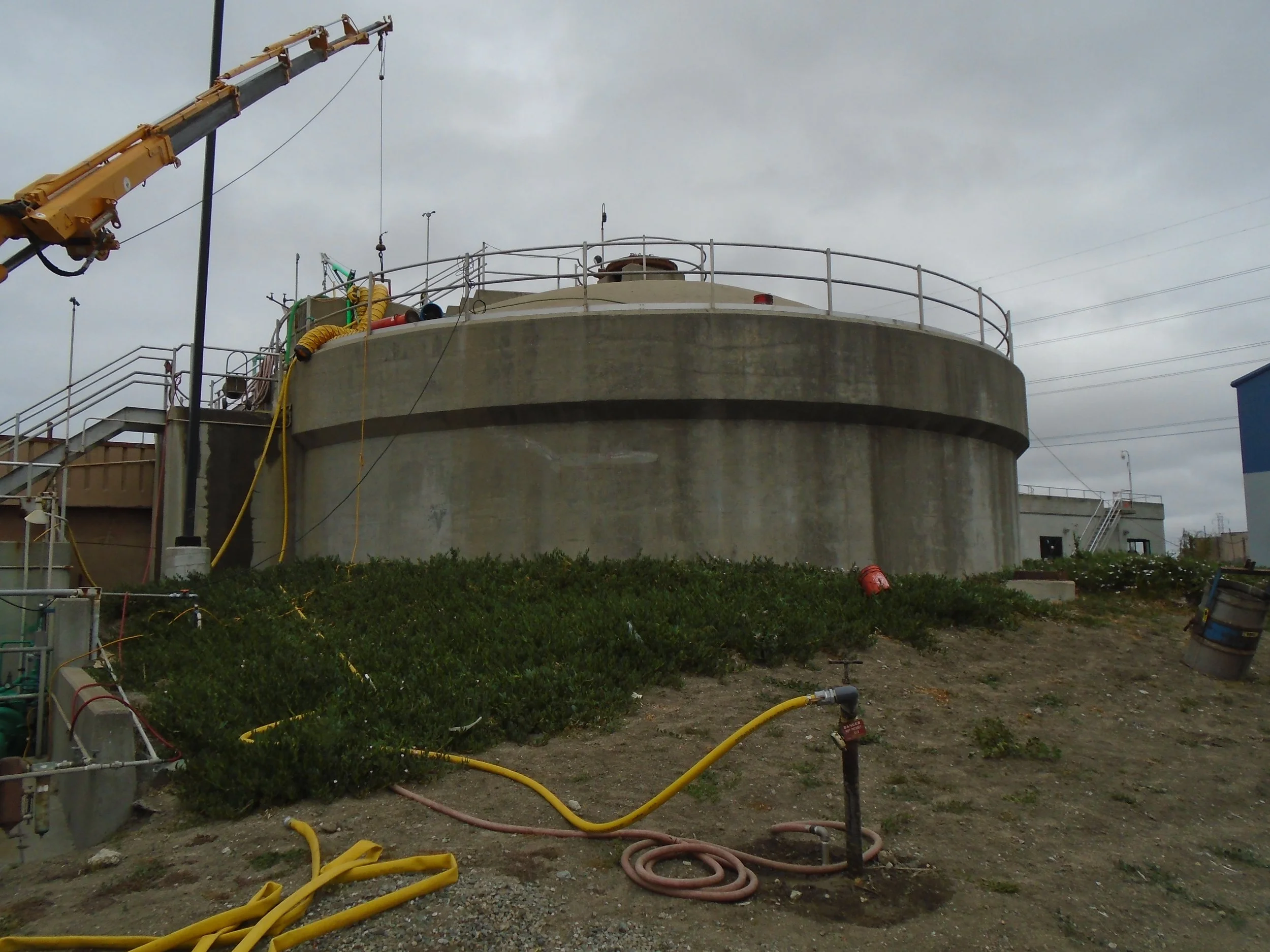
Concrete Science, Inc. developed a comprehensive and targeted repair strategy designed to extend the functional service life of the Vacuator by an estimated 25 years. This strategic rehabilitation approach not only tackled visible damage such as cracking, spalling, and coating delamination but also mitigated the effects of prolonged chemical exposure from hydrogen sulfide, a known contributor to accelerated concrete degradation. By incorporating durable materials and protective barriers, the repairs reinforced structural reliability and enhanced resistance to future environmental and chemical stressors. These efforts ultimately support long-term operational stability and efficiency of critical wastewater infrastructure, aligning with best practices in sewage treatment facility maintenance and concrete corrosion prevention.